
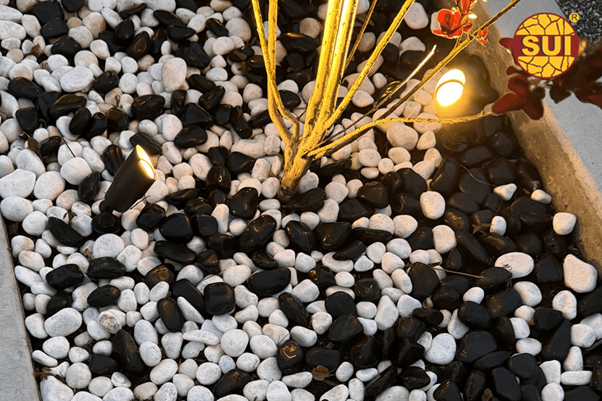
Material choice shapes both function and feel in any built or outdoor space. Texture, durability, drainage capacity, and thermal behavior all play a role in how a surface performs over time. Among the many surface materials available, natural stone pebbles stand out for their balance of strength, permeability, and visual softness. Their rounded form reduces sharp edges, making them safe for foot traffic while still offering structural stability when placed correctly. At the same time, these pebbles respond well to moisture, temperature shifts, and weight distribution, which makes them suitable for both decorative and practical uses across residential and commercial settings.
The Natural Formation and Unique Character of Pebbles
Stone pebbles form through years of erosion, where water, wind, and friction smooth rough rocks into rounded shapes. This natural process gives each piece a distinct texture and color pattern that cannot be copied by artificial materials. When used in design, these small stones bring a sense of organic variation that feels calm and grounded. Unlike uniform tiles or poured concrete, pebbles offer subtle differences in tone and size. Some may carry soft earth shades, while others display deeper grays or hints of mineral streaks. This variation allows designers and homeowners to create surfaces that feel less rigid and more connected to nature. It also helps hide minor wear or dirt, making maintenance easier over time.
Their smooth edges are not just for looks. They reduce the risk of injury, especially in areas where people walk barefoot. Around pools, patios, or garden paths, this feature becomes both a comfort and safety benefit.
Functional Benefits in Outdoor Applications
Outdoor spaces demand materials that can handle changing weather, moisture, and daily use. Natural stone pebbles perform well under these conditions due to their structure and placement flexibility. When installed with proper layering, they support drainage by allowing water to pass through gaps between stones. This drainage quality helps prevent water buildup, which can damage surfaces or create slippery conditions. In garden beds, pebbles act as a natural barrier that slows evaporation and keeps soil temperature stable. This can support plant health without the need for extra coverings.
They also resist cracking, which is common in rigid materials exposed to heat and cold cycles. Instead of forming visible breaks, pebbles shift slightly, adapting to pressure changes. This makes them a practical choice for pathways, drive borders, and even roof gardens where weight distribution matters.
Enhancing Visual Design with Texture and Contrast
Design often relies on contrast to create interest. Smooth walls paired with rough ground, or light surfaces against darker accents, can define a space without adding clutter. Pebbles play a strong role in this balance by offering both texture and color depth. In landscaping, they can frame walkways, highlight water features, or fill empty zones between larger stones. Their presence softens hard edges and creates a more relaxed visual flow. Inside the home, they are used in shower floors, accent walls, and even under glass flooring panels to add a natural touch.
Color selection also adds to their appeal. Lighter pebbles reflect light and make small spaces feel open, while darker tones create depth and focus. Mixing sizes and shades can produce patterns that feel custom without being overly complex.
Indoor Applications That Combine Style and Utility
While often linked to outdoor use, natural stone pebbles have found a place inside modern interiors. Their ability to resist moisture makes them suitable for bathrooms, spa areas, and entryways where water exposure is common. In shower floors, they provide gentle traction that reduces slipping while still feeling comfortable underfoot. Their uneven surface also creates a subtle massage effect, adding a sense of relaxation to daily routines. When sealed properly, they remain easy to clean and maintain.
Designers also use pebbles in feature walls or recessed sections to add depth. When paired with lighting, these surfaces create shadows and highlights that change throughout the day. This dynamic effect brings life to spaces that might otherwise feel flat or plain.
Installation Considerations for Long-Term Performance
Proper installation determines how well pebbles perform over time. The base layer must be stable and well-drained to prevent shifting or sinking. For outdoor use, a mix of compacted gravel and sand often works as a foundation, while indoor applications may require adhesive backing and grout. Spacing between stones should remain consistent to maintain both strength and visual balance. Too much gap can lead to instability, while too little reduces drainage benefits. Sealing the surface helps protect against stains and enhances the natural color of the stones.
Routine care involves simple cleaning and occasional resealing, depending on exposure and use. These steps ensure that the material retains both its function and appearance without demanding heavy upkeep.
Sustainable and Eco-Friendly Material Choice
Sustainability plays a growing role in material selection. Natural stone pebbles offer an advantage because they require minimal processing compared to manufactured surfaces. Their production involves fewer chemicals and less energy, which reduces environmental impact. They can also be reused or repositioned without losing quality. If a design changes, pebbles can be collected and placed elsewhere, unlike fixed materials that require demolition. This flexibility supports long-term use and reduces waste.
Their natural origin also means they blend well with eco-conscious designs. In gardens, they support water conservation and reduce the need for synthetic ground covers. This makes them a practical choice for projects that aim to balance design with environmental care.
Conclusion
Material choices often reflect both purpose and personality, and natural stone pebbles meet both needs with quiet strength. They support drainage, resist wear, and bring a natural texture that softens built spaces. Their ability to shift between indoor and outdoor use makes them a flexible option for many design ideas. Midway through the growing demand for quality stone materials, Stone Universe Inc. continues to present a refined selection that aligns with both functional needs and visual goals. Their approach reflects a focus on material integrity and thoughtful design.
From garden paths to interior accents, pebbles offer a simple way to add depth without overwhelming a space. Their natural variation ensures that no two surfaces look exactly the same, which adds a sense of authenticity. With proper installation and care, they remain reliable for years while maintaining their visual charm.