
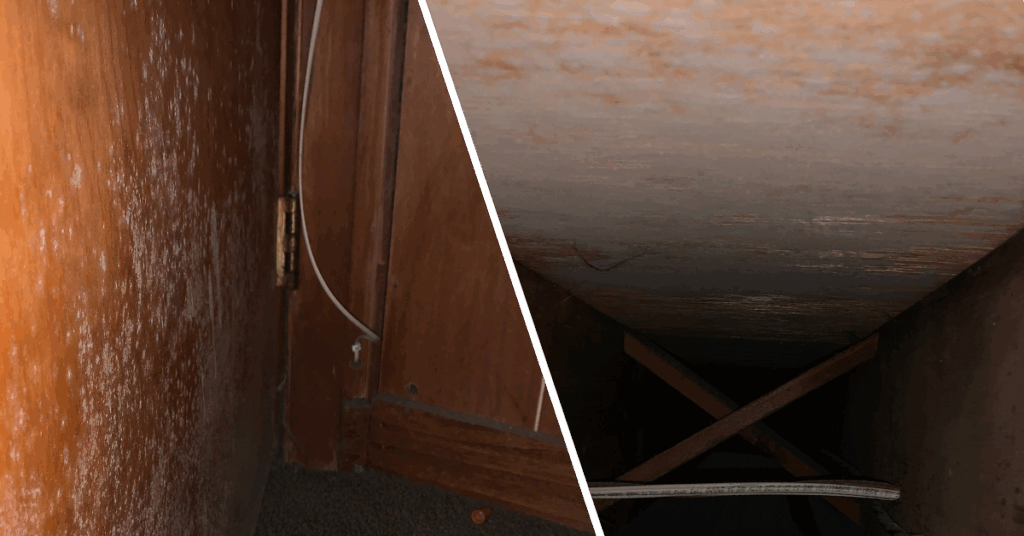
Many homeowners think insulation is only about keeping a house warm in the winter, but it also plays a major role in protecting your home from moisture. When insulation is missing, damaged, or installed incorrectly, it can lead to hidden mold growth, condensation problems, and structural damage. Poor insulation is one of the most overlooked causes of winter moisture issues, and understanding how it happens can help you keep your home safe.
Why Insulation Matters During Winter
Insulation helps control the temperature inside your home by keeping warm air indoors and blocking cold air from coming in. When insulation is weak, indoor heat rises into areas like attics or crawl spaces. This warm air can meet cold surfaces and form condensation. Over time, this moisture soaks into wood, drywall, and insulation materials.
Cold spots also develop inside walls when insulation is missing. These cold areas attract condensation that often goes unnoticed until mold begins to appear. Even a small section of poorly insulated wall can collect enough moisture to cause long-term problems.
Warning Signs of Poor Insulation and Moisture Problems
Several signs can point to insulation issues. If you notice cold drafts, uneven temperatures between rooms, or rising heating bills, your insulation may not be doing its job. You might also see condensation forming on windows, walls that feel damp or cold, or dark stains that could indicate mold growth.
In attics, poor insulation can be spotted by uneven snow melt on the roof. If one part of the roof melts faster than others, warm air may be leaking into the attic. This leak can lead to ice dams, which trap water and cause further moisture problems inside the home.
How Poor Insulation Leads to Mold Growth
Mold thrives in damp, dark spaces. When insulation does not prevent condensation, moisture builds up in hidden areas like wall cavities and attic corners. Over time, this moisture creates a perfect environment for mold to grow.
Because these areas are not visible, mold often spreads without being noticed. By the time it appears on the surface, the problem is usually much larger behind the wall. Mold can damage wood framing, ruin drywall, and create unhealthy indoor air conditions.
How to Prevent Moisture Problems Caused by Poor Insulation
The best prevention is a combination of good insulation and proper ventilation. Make sure attics have enough insulation to keep heat from rising too quickly. Seal gaps around pipes, vents, and light fixtures that let warm air escape. Adding weatherstripping to doors and windows also helps hold warm air inside.
Improving attic ventilation keeps temperatures balanced and reduces moisture buildup. Using bathroom and kitchen exhaust fans removes steam that can travel into wall spaces. Keeping indoor humidity between 30 and 50 percent further helps reduce condensation.
What to Do If You Suspect Hidden Moisture Damage
If you notice mold or strong musty smells, take action right away. While you can clean small surface spots with mild detergent, hidden mold requires professional help. Avoid tearing into walls yourself because this can spread mold spores through the house.
A professional restoration company can use moisture meters, thermal cameras, and other tools to locate the source of the moisture. They can safely remove mold, dry the space, and repair insulation problems to prevent future damage.
Why Professional Restoration Is Essential
Moisture problems linked to poor insulation often affect more than one part of the home. Professionals understand how air leaks, temperature changes, and insulation failures contribute to mold growth. They know how to fix the full problem, not just the visible damage.
“Even a small insulation gap can lead to mold that homeowners never see until it spreads,” says David Rogers, owner of Service Pro Restoration. “Professional inspection and restoration make sure the home is safe, dry, and fully protected.”
Keeping Your Home Warm and Dry All Winter
Good insulation protects more than your comfort. It prevents hidden moisture, mold growth, and expensive structural damage. By keeping your home sealed, properly insulated, and well ventilated, you can avoid the hidden dangers that come with winter weather. A little maintenance now can save you from major repairs later.