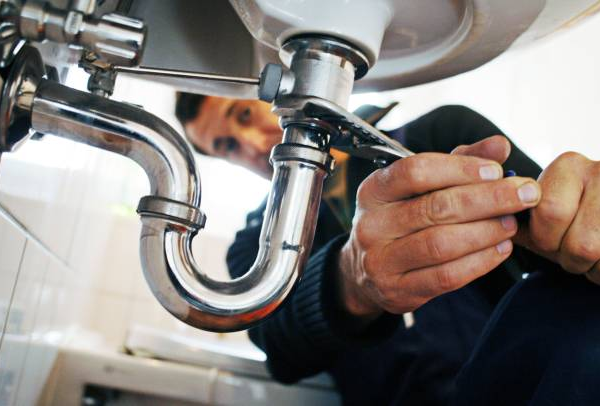
Why Even Tiny Leaks Matter
Small leaks often seem harmless at first. Many homeowners ignore a slow drip or a damp spot under a sink because it looks minor. The truth is that water rarely stays in one place. Even a small amount can spread, weaken materials, and lead to bigger problems. When water goes unnoticed, it can damage wood, drywall, and flooring before anyone realizes what happened.
How Leaks Get Worse Over Time
A small leak can quickly become a major repair. Water can soak into hidden areas and cause mold to grow. Pipes that have started leaking may be worn, corroded, or under stress, which means the leak can widen without warning. Joints and fittings can loosen, and pressure inside the plumbing system may push the leak to grow. What starts as a drip can turn into a burst pipe if it is not fixed in time.
What Homeowners Can Look For
There are signs that a small leak may be getting worse. Look for stains on ceilings or walls. Soft or spongy flooring can also be a clue that water has been sitting in one place. If you hear dripping sounds when no faucet is running, that may point to a hidden leak. Higher water bills can also show that water is escaping somewhere in the home. Catching these clues early can save you from emergency repairs later.
Why Calling a Plumber Makes a Difference
A skilled plumber can stop the leak and check if there is damage behind the walls or under the floors. They have tools that can find moisture and pressure problems that homeowners cannot see. Jeff Whitaker from Phoenix Plumbing Pros says, “Small leaks are one of the biggest reasons people end up with major plumbing repairs. Fixing them early is always cheaper than waiting.” Taking quick action keeps your home safe and prevents long-term damage.